
Essential Guide to Mental Health Training Guide

Mental health is a critical part of overall well-being. Understanding how to support someone experiencing a mental health crisis can make a significant difference. This guide will walk you through the essentials of mental health training guide, focusing on practical knowledge and skills you can apply in real situations.
Mental health challenges affect people of all ages and backgrounds. Knowing how to respond effectively can help reduce stigma, provide comfort, and potentially save lives. This guide aims to provide clear, actionable information to help you feel confident in offering support.
What Is Mental Health Training Guide?
Mental health training guide refers to structured education designed to teach individuals how to recognize and respond to mental health issues. This training covers common mental health conditions, warning signs, and appropriate ways to offer help. It is not therapy or professional counseling but a first step in providing support.
The training typically includes:
Identifying symptoms of anxiety, depression, psychosis, and substance use disorders
Learning communication techniques to approach someone in distress
Understanding how to encourage professional help
Knowing how to maintain your own well-being while supporting others
This knowledge empowers people to act early and effectively. It also promotes a more compassionate and informed community.
Why Mental Health Training Guide Matters
Mental health conditions are widespread. According to global statistics, one in four people will experience a mental health issue at some point in their lives. Despite this, many people do not receive timely help due to stigma or lack of awareness.
A mental health training guide helps bridge this gap by:
Increasing awareness and understanding of mental health
Reducing stigma and misconceptions
Equipping people with skills to provide immediate support
Encouraging early intervention and professional treatment
When more people are trained, communities become safer and more supportive environments. This training can be especially valuable in workplaces, schools, and community organizations.
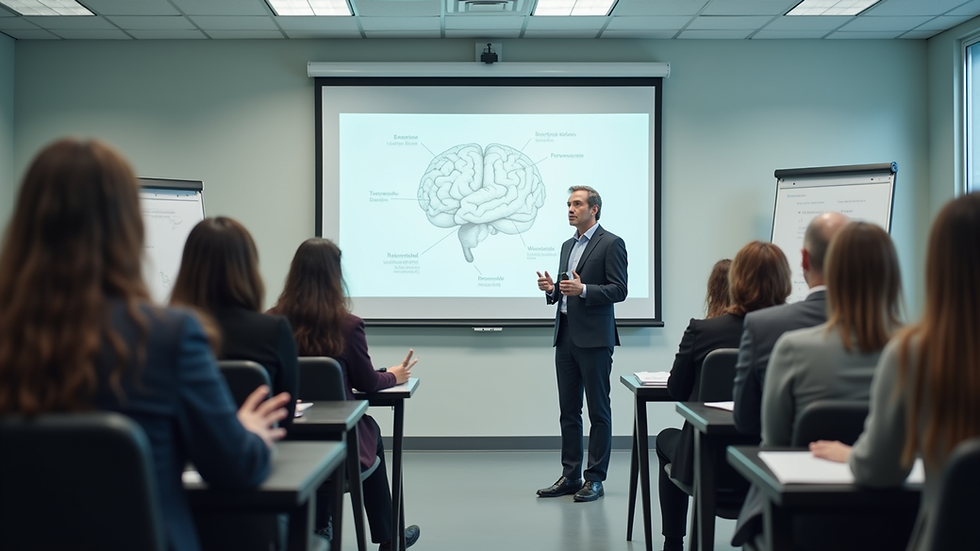
Key Components of Effective Mental Health Training
Effective mental health training covers several important areas. Here are the core components you should expect:
1. Recognizing Mental Health Symptoms
Training teaches how to spot signs such as:
Persistent sadness or irritability
Withdrawal from social activities
Changes in sleep or appetite
Confused thinking or difficulty concentrating
Excessive fears or worries
Extreme mood changes
Understanding these symptoms helps identify when someone may need support.
2. Communication Skills
Approaching someone about their mental health requires sensitivity. Training includes:
How to start a conversation without judgment
Active listening techniques
Using open-ended questions
Expressing empathy and concern
Avoiding dismissive or minimizing language
These skills create a safe space for the person to share their feelings.
3. Crisis Response
In urgent situations, knowing how to respond can save lives. Training covers:
Assessing risk of self-harm or suicide
How to stay calm and provide reassurance
When and how to seek emergency help
Safety planning and follow-up support
Being prepared for crises is a vital part of mental health support.
4. Encouraging Professional Help
While first aid is important, professional treatment is often necessary. Training guides you on:
How to suggest seeking help from mental health professionals
Providing information about available resources
Supporting the person in accessing care
This ensures the person receives the appropriate level of support.
5. Self-Care for Supporters
Supporting someone with mental health challenges can be emotionally demanding. Training emphasizes:
Recognizing your own limits
Practicing self-care strategies
Seeking support when needed
Taking care of yourself helps maintain your ability to help others.
How to Choose the Right Mental Health Training Program
Selecting a quality mental health training program is essential. Here are factors to consider:
Accreditation and Certification: Look for programs recognized by reputable organizations.
Comprehensive Curriculum: Ensure the training covers all key components mentioned above.
Experienced Trainers: Trainers should have relevant qualifications and experience.
Interactive Learning: Programs with role-playing, discussions, and practical exercises enhance understanding.
Accessibility: Consider location, schedule, and cost to find a program that fits your needs.
Follow-up Support: Some programs offer ongoing resources or refresher courses.
Taking the time to choose the right program will maximize the benefits of your training.

Practical Tips for Applying Mental Health Training in Real Life
After completing your mental health training guide, applying what you have learned is crucial. Here are practical tips to help you use your skills effectively:
Stay Observant
Pay attention to changes in behavior or mood in people around you. Early signs can be subtle.
Approach with Care
Choose a private, comfortable setting to talk. Use calm and respectful language.
Listen Actively
Give your full attention. Avoid interrupting or offering immediate solutions.
Offer Support, Not Judgment
Validate their feelings. Avoid blaming or minimizing their experience.
Encourage Professional Help
Share information about counseling, helplines, or medical services. Offer to assist in making appointments if appropriate.
Know Your Limits
Understand when the situation requires professional intervention or emergency services.
Practice Self-Care
Supporting others can be draining. Take time to recharge and seek support if needed.
By following these steps, you can provide meaningful help while maintaining your own well-being.
Continuing Your Mental Health Education
Mental health is a complex and evolving field. Staying informed helps you remain effective in your support role. Consider:
Attending refresher courses or advanced training
Reading current research and articles on mental health
Joining support or advocacy groups
Sharing knowledge with your community
Continuous learning reinforces your skills and contributes to a more informed society.
Mental health is a vital part of life that deserves attention and care. By engaging in a mental health first aid training, you equip yourself with the tools to make a positive impact. This training empowers you to recognize signs, communicate effectively, and respond appropriately. It also fosters a culture of understanding and support that benefits everyone.
Taking the step to learn about mental health is a commitment to compassion and action. Use this guide as a starting point to deepen your knowledge and confidence. Together, we can create safer, healthier communities where mental health is prioritized and supported.


Comments